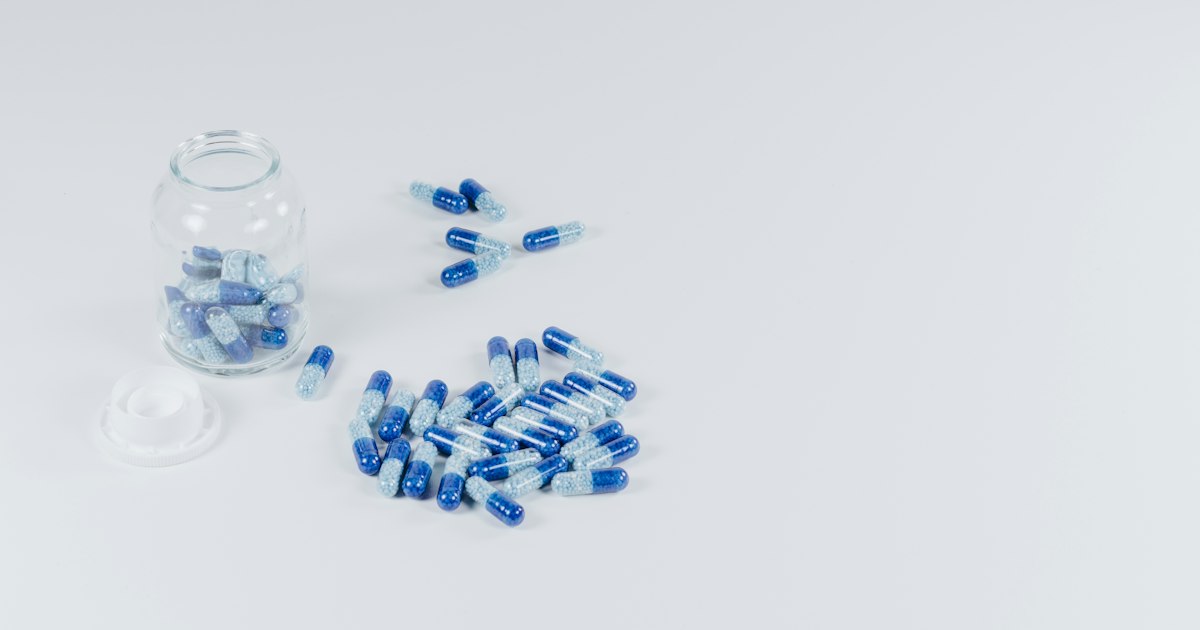
Yohimbine vs. Synephrine: What to Choose and for Whom

Both substances are sold as «fat burners», but they suit people with different levels of preparation, sensitivity to stimulants and states of health differently. The editors have gathered practical criteria for choosing between yohimbine and synephrine, explained how to take them carefully, and listed the cases when it is better to decline both.
Three Questions Before Choosing
The first question is how sensitive you are to stimulants. If after two cups of coffee you get palpitations, anxiety or sleep problems, yohimbine will almost certainly cause an even stronger reaction. In that case the choice, if it is needed at all, shifts in favor of the milder synephrine.
The second is what stage you are at. Weight-loss supplements make sense only when the basics are already working: a stable moderate calorie deficit, adequate protein, regular training, normal sleep. Without this no stimulant will give a noticeable result, while the risks will remain.
The third is health status and medications. Arterial hypertension, arrhythmias, anxiety disorders, taking antidepressants or other psychotropic drugs — all of these are weighty arguments against both substances, or at least a reason to talk with a physician first.
Having answered these questions, you will already have filtered out most of the unsuccessful scenarios. Next we will consider for whom each substance may be appropriate.
Who Synephrine May Suit
P-synephrine from bitter orange is the milder option. It weakly affects the central nervous system, and in studies of the pure substance in healthy adults it did not significantly change pulse and blood pressure. Therefore it can be the first and often the only stimulant supplement for people who want to try a thermogenic.
Synephrine is more logical to choose for beginners in the use of fat burners, for people who are moderately sensitive to caffeine, as well as for those who want to avoid pronounced agitation and anxiety. It is also convenient for those who train during the day and do not want to disrupt sleep.
In clinical studies a few dozen milligrams of p-synephrine per dose were usually used. In practice one should be guided by the dose specified by the manufacturer and not exceed it. It is important to look not at the amount of «bitter orange extract», but at the content of p-synephrine specifically.
Realistic expectations — a small additional effect on energy expenditure. Synephrine by itself will not give noticeable changes in the mirror; its role is auxiliary.
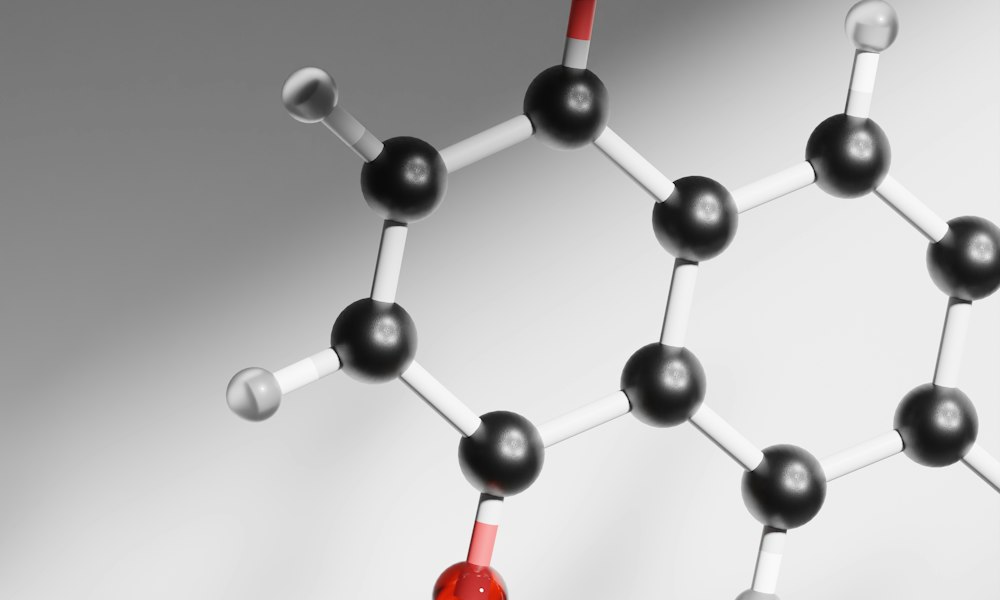
Who Yohimbine May Suit
Yohimbine is stronger and more capricious. Its effect on fat mobilization is most pronounced on an empty stomach and against a background of low insulin levels, so it is usually considered by people with an already low fat percentage who train in the morning before eating. For people who are overweight and are only beginning to change their lifestyle, yohimbine is not a priority.
Yohimbine can be an option for experienced, physically healthy adults without anxiety disorders and blood pressure problems, who tolerate stimulants well and are ready to monitor their well-being carefully. In the study by Ostojic (2006) footballers took 20 mg of yohimbine per day, divided into two doses, for three weeks. However, these data were obtained on small samples.
Because of the narrow safety window and problems with supplement labeling, the editors advise choosing products from manufacturers that indicate the exact amount of yohimbine hydrochloride rather than an abstract «yohimbe bark extract».
It is important to understand: even under ideal conditions the effect of yohimbine is small. It does not «burn» fat in specific zones, but only facilitates the mobilization of fatty acids, which still have to be used as fuel.
| Situation | Synephrine | Yohimbine |
|---|---|---|
| First experience with stimulants | Better choice | Not recommended |
| Sensitivity to caffeine, anxiety | Carefully, minimal dose | Not suitable |
| Fasted cardio, low fat percentage | Possible | Possible, with caution |
| Overweight, start of changes | Optional | Not a priority |
| Hypertension, arrhythmia | Only after consultation with a physician | Not recommended |
How to Take: Practical Rules
Regardless of the choice, start with the smallest portion to assess your body's reaction. Introduce only one new supplement at a time: if side effects appear, you will know their cause.
Take stimulants in the first half of the day. Yohimbine is usually taken on an empty stomach, since food, especially rich in carbohydrates, raises insulin and weakens its lipolytic action. Synephrine is less dependent on food intake.
Count all the caffeine over the day. Many fat burners already contain caffeine, and adding coffee or a pre-workout complex can imperceptibly bring the total dose of stimulants to an uncomfortable level. Do not combine several stimulating products at the same time.
- Monitor your pulse and blood pressure in the first days of use.
- Take breaks, do not take stimulants continuously for months.
- Stop taking them in case of palpitations, chest pain, a panic attack, a severe headache or dizziness.
When It Is Worth Declining Both
Both substances should be declined during pregnancy and breastfeeding, in adolescence, with cardiovascular diseases, hyperthyroidism, glaucoma, as well as in the presence of anxiety, panic or bipolar disorders.
Do not combine these supplements with MAO inhibitors, tricyclic antidepressants, ADHD medications and decongestants. If you take any medications regularly, consult a physician or pharmacist first.
Athletes who undergo doping control must remember: neither yohimbine nor synephrine is included in the WADA Prohibited List, however supplements can be contaminated with prohibited stimulants. Choose products with independent certification.
Finally, if you have obesity or metabolic disorders, it is wiser to consult a physician: modern pharmacotherapy for obesity has a much larger evidence base than any thermogenic supplements.
Editorial Conclusions
For most people who are trying a fat burner for the first time, synephrine is the more cautious choice: it is milder and better tolerated, although it gives a modest effect.
Yohimbine can be considered by experienced, healthy people with a low fat percentage who train on an empty stomach and tolerate stimulants well, but it requires special attention to the dose and quality of the product.
Both supplements are only an addition to nutrition and training, not their replacement.
We also recommend reading our articles on fasted cardio, on safe doses of caffeine, and on how to select a fat burner taking into account heart health.
References
- Ostojic SM. Yohimbine: the effects on body composition and exercise performance in soccer players. Res Sports Med. 2006;14(4):289–299.
- Galitzky J, Taouis M, Berlan M, et al. Alpha 2-antagonist compounds and lipid mobilization: evidence for a lipid mobilizing effect of oral yohimbine in healthy male volunteers. Eur J Clin Invest. 1988;18(6):587–594.
- Cimolai N, Cimolai T. Yohimbine use for physical enhancement and its potential toxicity. J Diet Suppl. 2011;8(4):346–354.
- Cohen PA, Wang YH, Maller G, et al. Pharmaceutical quantities of yohimbine found in dietary supplements in the USA. Drug Test Anal. 2016;8(3–4):357–369.
- Stohs SJ, Preuss HG, Shara M. The safety of Citrus aurantium (bitter orange) and its primary protoalkaloid p-synephrine. Phytother Res. 2011;25(10):1421–1428.
- Maughan RJ, Burke LM, Dvorak J, et al. IOC consensus statement: dietary supplements and the high-performance athlete. Br J Sports Med. 2018;52(7):439–455.
Andriy Melnyk
A strength-sports coach and author of programs for beginner and intermediate levels. Writes about training planning.